
 604-694-0015
The term “ponytail facelift” is becoming one of the most searched phrases in cosmetic surgery, and for good reason. It captures a real patient desire: a lifted, refreshed appearance with less downtime and a more subtle outcome than a traditional facelift. But like many popular names in aesthetic medicine, it means different things in different contexts.
At Pacific Plastic Surgery in Vancouver, BC, our team believes in honest, transparent conversations about what any procedure can and cannot deliver. Read on to learn more about what the ponytail facelift concept actually involves, who it suits, what to realistically expect, and when a different approach might serve you better.
What Is a Ponytail Facelift?
The “ponytail facelift” is not a single standardized surgical technique; rather, it is a term used to describe a category of less invasive lifting procedures that focus on the upper face, temples, and lateral facial structures. The name comes from the idea that results mimic the gentle lift you see when you pull your hair back into a ponytail: the brow appears lifted, the temples look tighter, and there is a subtle elevation of the outer facial contour.
In practice, this typically involves smaller, more discreet incisions, often placed within or near the hairline at the temples, and a more limited dissection than a full or deep plane facelift. It may incorporate elements of a brow lift or temporal lift, depending on your anatomy and goals. Some surgeons perform this under local anesthesia with sedation; others prefer light general anesthesia for patient comfort.
The “weekend facelift” label refers to the same concept, emphasizing the faster recovery, the idea being that some patients feel socially presentable within days rather than weeks. It is an appealing idea, and for the right patient, it reflects a genuine reality.
Before & After
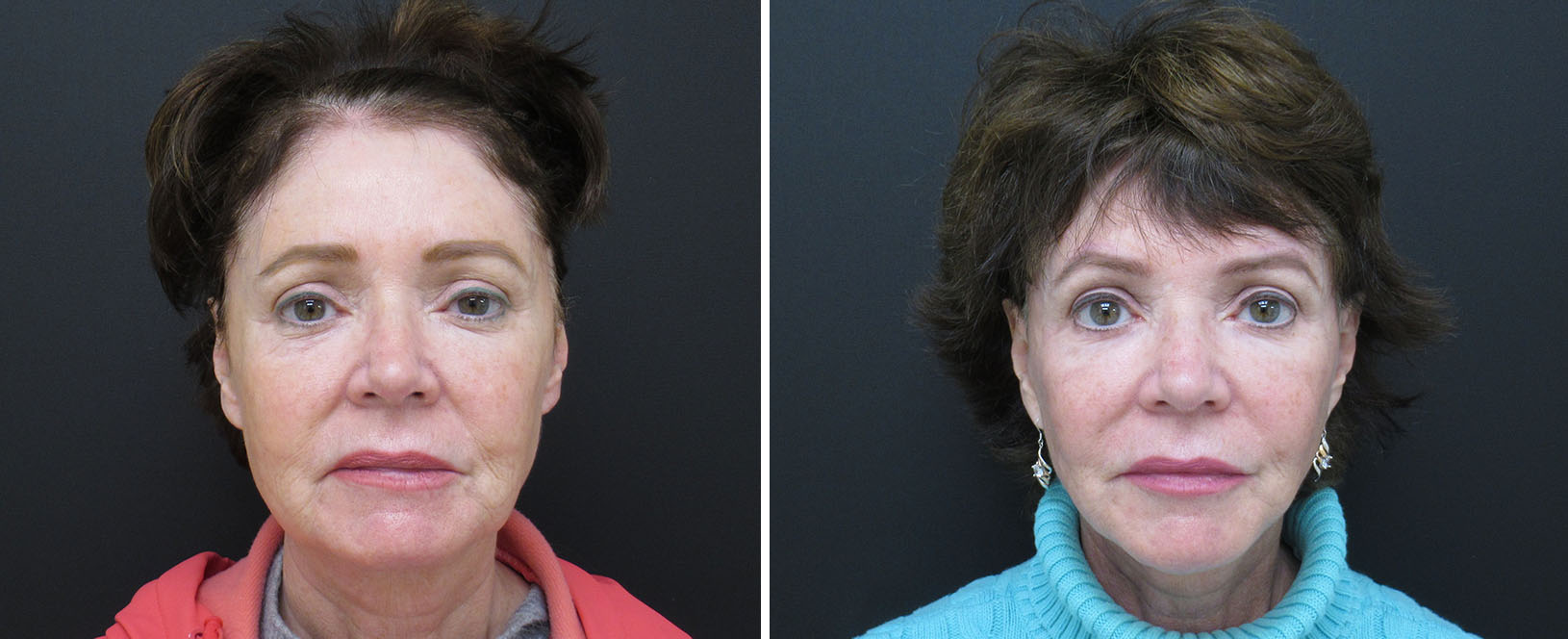
This lady in her 70’s who had previously had a facelift underwent a browlift, face and necklift plus fat transfer to the cheeks.
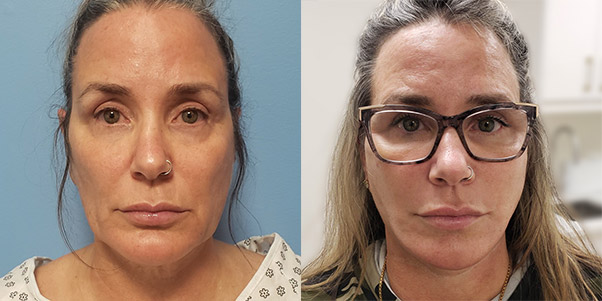
This 56 year-old lady underwent a deep-plane face and necklift with supplemental fat grafting to the mid-face.
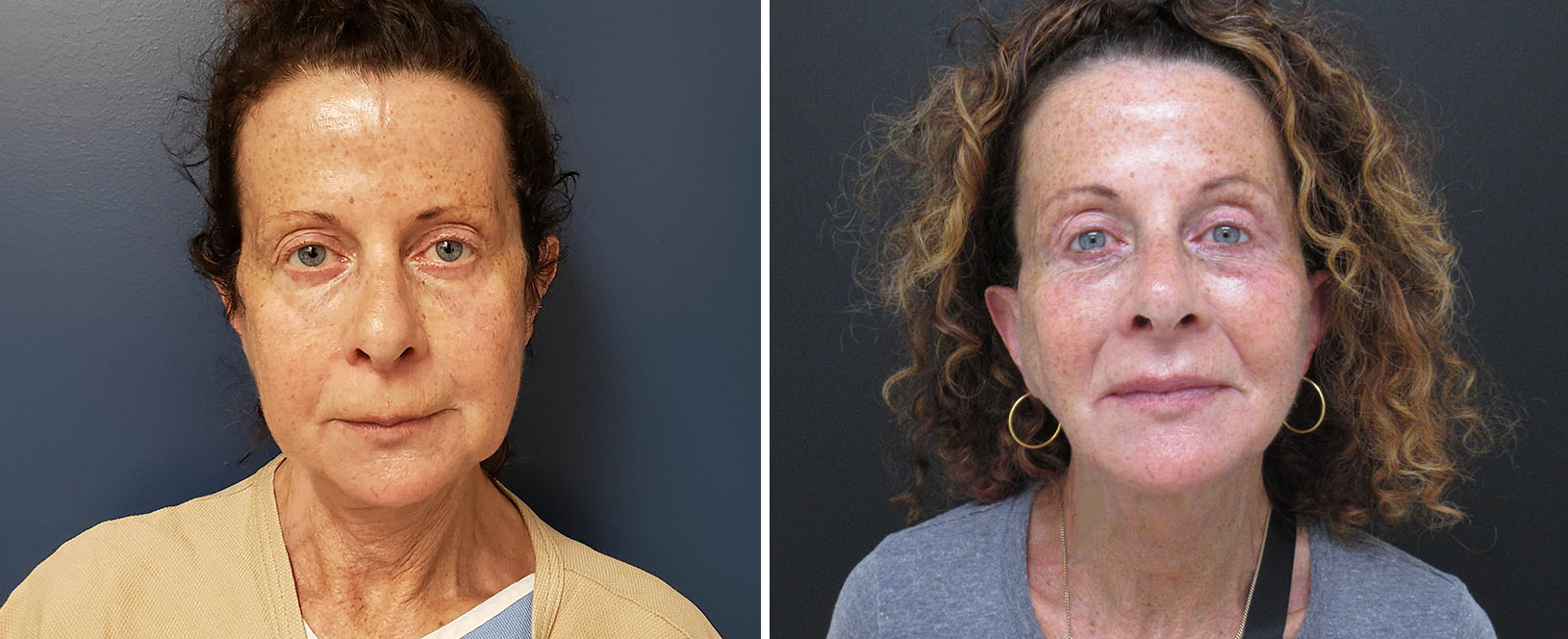
This lady in her 60’s had concerns about her ‘square-face.’ She had a face and neck lift, upper blepharoplasty and fat transfer to her cheeks.


What a Ponytail Facelift Can Achieve
Being clear about expectations is central to everything Dr. Tregaskiss does. Here is an honest breakdown:
What a ponytail/weekend facelift can achieve:
- A subtle lift of the brow and outer face
- Improved definition along the upper jawline and temple area
- A fresher, more rested overall appearance
- Meaningful results with smaller incisions and a shorter recovery
- Natural-looking outcomes in patients with good underlying skin quality
What it cannot achieve:
- Significant correction of deep jowling or significant lower face laxity
- Meaningful improvement of the neck or submental area
- The longevity or structural restoration of a deep plane facelift
- Results comparable to a comprehensive facelift in patients with moderate to advanced aging
If sagging jowls or significant lower face descent are your primary concern, a more targeted approach is likely to be recommended.
Are You an Ideal Candidate?
The ponytail or weekend facelift is best suited to patients who:
- Are typically in their late 30s to early 50s, though age alone is not the deciding factor
- Have early to mild facial laxity, particularly in the temple, brow, and mid-to-upper jawline area
- Have good skin quality and elasticity, which allows the skin to respond well to subtle repositioning
- Are seeking a natural refresh rather than a dramatic transformation
- Have realistic expectations and understand the limitations of a less invasive approach
- Are in good general health and are non-smokers
This procedure is generally not recommended for patients with significant jowling, pronounced nasolabial folds, neck laxity, or poor skin elasticity. In these cases, a more comprehensive approach will deliver far better and longer-lasting results.
What Does the Ponytail Facelift Procedure Involve?
Dr. Tregaskiss tailors every procedure to the individual, so the specifics of your surgery will be determined during your consultation. In general terms, a ponytail facelift at Pacific Plastic Surgery involves:
- Incisions are placed discreetly within the hairline at the temples, and sometimes in front of or within the ear, depending on the extent of treatment
- Gentle lifting and repositioning of the underlying facial tissue, not merely pulling on the skin
- Closure with fine sutures designed to minimize scarring and support a clean, natural result
The procedure is typically performed under local anesthesia with sedation, or light general anesthesia, depending on patient preference and the specifics of the plan. It generally takes one to two hours. Most patients go home the same day.
Ponytail Facelift Recovery
Recovery from a ponytail or weekend facelift is genuinely faster than a full facelift — but it is worth setting honest expectations. “Weekend” does mean no downtime.
- Days 1–3 — Some swelling and bruising are expected, concentrated around the temples and ears. Most patients rest at home and arrange for some support during this time.
- Days 4–7 — Bruising begins to fade, and swelling reduces noticeably. Many patients feel comfortable at home and begin moving around easily.
- Week 2 — The majority of patients feel “socially ready”, or comfortable enough to return to low-key social settings, work from home, or light daily activities. Sutures are typically removed during this period.
- Weeks 3–4 — Most residual swelling has resolved, and the early results are clearly visible.
By comparison, a full deep plane facelift typically involves a social recovery of three to four weeks. The weekend facelift’s faster timeline is real , but it reflects the more limited scope of the procedure, not an absence of recovery.
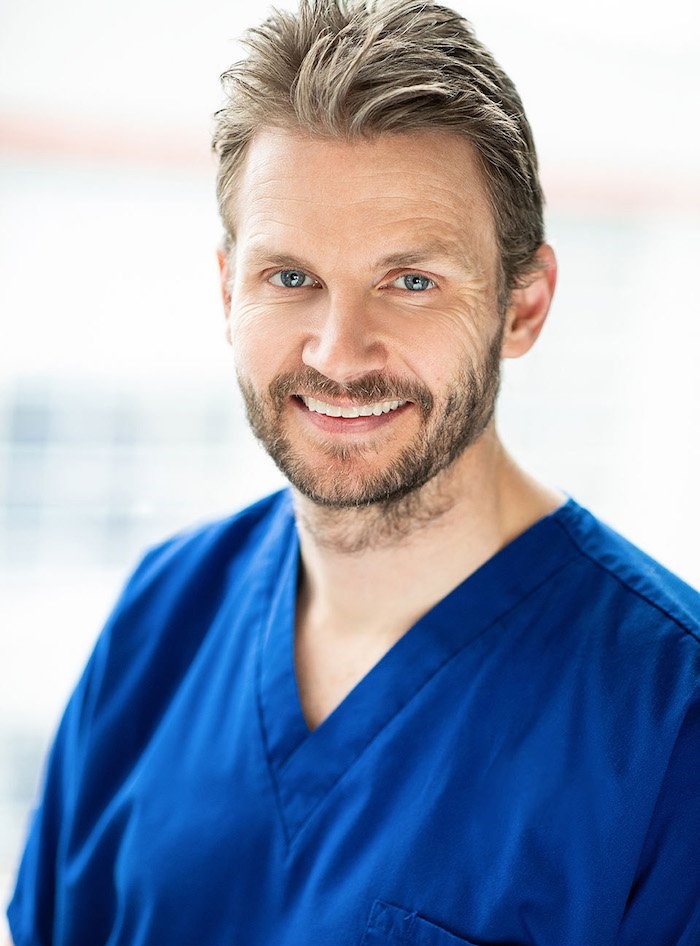
About Dr. Ashley Tregaskiss
MB, BS, MSc, FRCS (Plast), FRCSC
Dr. Ashley Tregaskiss is a plastic surgeon based in Vancouver and Langley, British Columbia who has practiced medicine in the UK, Australia and Canada for over 15 years. He works in both the private sector with a focus on breast, body and facial aesthetic surgeries as well as in the public sector. His public/MSP work is varied, with a focus on cancer reconstruction and trauma. He has completed fellowship training in aesthetic surgery, breast reconstruction, craniofacial trauma and head & neck reconstruction.
Dr. Tregaskiss and his team strive to create a welcoming, professional and courteous environment for all patients and to achieve surgical excellence and beautiful cosmetic outcomes.
How Does This Compare to a Mini or Deep Plane Facelift?
Choosing the right type of facelift means matching the procedure to your actual anatomy and goals. Here is a high-level comparison to help orient your thinking:
- Ponytail/Weekend Facelift: Early laxity, upper face and temple focus, subtle results, fastest recovery
- Mini Facelift: Mild to moderate lower face laxity, limited jowl correction, moderate recovery
- Deep Plane Facelift: Moderate to advanced aging across the full face and neck, most comprehensive and longest-lasting results
If you are unsure where you fall on this spectrum, that is exactly what a consultation is for. Dr. Tregaskiss will never recommend a more extensive procedure than you need, but he will also be straightforward if a less invasive option is unlikely to meet your expectations. His goal is always the best possible outcome for each individual patient.
Contact Us Today
Ready to take the next step? Whether you’re looking to schedule a consultation, ask questions about a procedure, or simply want more information, our expert team at Pacific Plastic Surgery is here to help you feel confident and informed. Reach out today to connect with us — we’d love to start the conversation and support you on your aesthetic journey.
Ready to Find Out Which Facelift Is Right for You?
The ponytail facelift is a genuine option for the right patient, and for those patients, it can be a beautifully effective, confidence-boosting procedure with a fast return to everyday life. But the most important step is an honest, individualized conversation with a surgeon who will take the time to assess your specific anatomy and give you an unbiased recommendation.
Dr. Tregaskiss and the team at Pacific Plastic Surgery welcome patients from across Vancouver, the Lower Mainland, and British Columbia who are exploring their facelift options. Consultations are thorough, pressure-free, and designed to give you everything you need to make an informed decision.
To book your consultation, please visit our contact page or call our Vancouver office. We look forward to helping you determine the right path forward
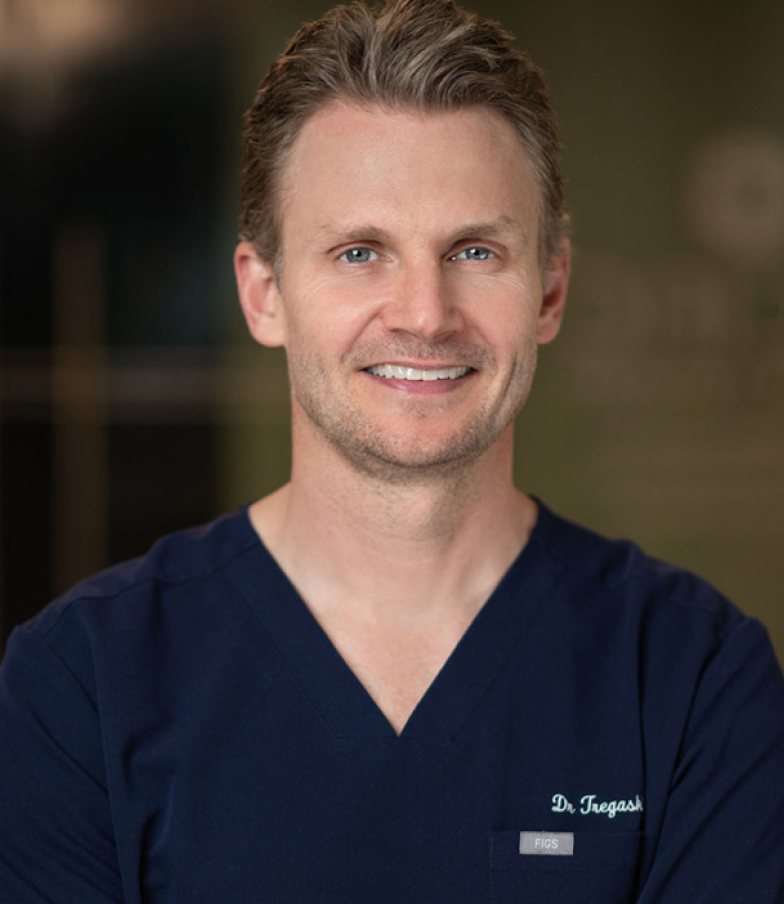
DR. ASHLEY TREGASKISS
COSMETIC, PLASTIC, AND RECONSTRUCTIVE SURGEON | BLOG
Dr. Ashley Tregaskiss is a board-certified plastic surgeon in Vancouver with over 20 years of experience and a practice increasingly dedicated to advanced facial and neck rejuvenation.
Following a decade at Vancouver General Hospital treating complex craniofacial trauma and head and neck conditions, he transitioned fully into private practice in 2024. This background provides a level of anatomical expertise and surgical precision that directly informs his aesthetic work.
Dr. Tregaskiss specializes in facelift and neck lift surgery, eyelid rejuvenation, facial fat transfer, and laser-based skin rejuvenation. He has particular expertise in combining facial surgery with laser treatments to enhance skin quality and achieve more refined, natural results. His approach is defined by careful planning, technical precision, and a commitment to outcomes that are balanced, elegant, and undetectable.