
 604-694-0015
Best Sleeping Position After Tummy Tuck
Finding the best sleeping position after tummy tuck surgery is one of the most practical concerns patients bring to their consultations at Pacific Plastic Surgery in Vancouver, British Columbia. How you rest during recovery directly influences your comfort, your incision integrity, and the quality of your final results. Whether you are preparing for an upcoming abdominoplasty or are already in the early days of healing, understanding proper positioning can help support a smoother recovery. If you have questions specific to your procedure, our team is here to guide you through every step. Call for details to schedule your consultation with Dr. Ashley Tregaskiss.
You can also explore our full range of body plastic surgery procedures in Vancouver to learn more about what recovery may look like for you.
Why the Best Sleeping Position After Tummy Tuck Matters for Your Recovery
An abdominoplasty involves tightening the abdominal muscles and removing excess skin, which means the tissues in your midsection are under meaningful tension during the healing period. Sleeping in a position that respects this tension is not simply about comfort; it may help protect your incision, reduce swelling, and support proper tissue healing.
The Tension Principle
When you lie flat on your back with your legs extended, your abdominal wall is placed in a stretched position. Because the skin and underlying repair have been tightened during surgery, this stretch can place unnecessary stress on your incision line. Most patients find that a slightly flexed position, where the hips and knees are gently bent, helps keep this tension at a manageable level.
Swelling and Fluid Management
Elevation of the upper body can also assist with managing postoperative swelling. When the torso is slightly raised, gravity works in your favour by encouraging fluid drainage away from the surgical site. This is one reason many patients find sleeping in a recliner or on a wedge pillow more comfortable in the first one to two weeks following surgery.
For reference photos showing what outcomes may look like following this procedure, you can review our abdominoplasty and tummy tuck before and after photos from Vancouver patients.
Recommended Sleeping Positions and What to Avoid
In our practice, we find that patients who follow clear positioning guidelines from day one tend to report greater comfort and fewer concerns with their incision during the first weeks of recovery. Here is a breakdown of positions that are generally well-tolerated and those that are best avoided.
The Flexed Supine Position
Lying on your back with your upper body elevated between 30 and 45 degrees and your knees supported by a pillow is widely considered the most appropriate resting position during early tummy tuck recovery. This “banana” or flexed supine position mimics the slightly hunched posture many patients naturally adopt when walking in the first days after surgery. A recliner chair replicates this angle well and may be worth arranging before your procedure date.
Side Sleeping
Side sleeping is generally discouraged during the first two to four weeks. Rotating onto one side can place uneven tension across the abdominal incision and may affect how the scar matures over time. As healing progresses and your surgeon confirms adequate tissue healing, a gentle return to side sleeping may become possible, though always confirm this with your care team before changing your routine.
Positions to Avoid Entirely Early On
Sleeping flat on your back with legs fully extended, sleeping face down, and any position that requires a full sit-up to get out of bed should be avoided in early recovery. Using a technique such as rolling to the side before pushing up, rather than doing a straight sit-up, helps protect the repair each time you rise from a resting position.
Practical Tips for Setting Up Your Recovery Space
Preparation before surgery day often makes a meaningful difference in how smoothly the early recovery period unfolds. Setting up your sleep environment in advance means less problem-solving when you are tired and uncomfortable in the first days at home.
Choosing the Right Support
A firm wedge pillow or an adjustable bed can help you maintain the recommended inclined angle through the night without sliding flat. Placing a pillow under your knees when lying in bed further reduces tension on the abdominal wall. Avoid overly soft mattresses if possible, as they can make it difficult to maintain a controlled position and harder to get up without straining.
Getting In and Out of Bed Safely
Roll onto your side first, then use your arms to push yourself upright rather than engaging your abdominal muscles directly. This technique reduces stress on your incision and is a habit worth practicing before surgery so it feels natural during recovery.
Compression Garment Compliance
Your surgical compression garment should be worn as directed, including during sleep. It provides support to the treated area and helps manage swelling throughout the day and night. Never remove or loosen it for comfort while sleeping without guidance from your surgeon.
If you are researching complementary treatments to support skin quality during recovery, our team also offers a range of cosmetic procedures in Vancouver that may be appropriate at a later stage in your healing journey.
Why Choose Pacific Plastic Surgery in Vancouver, British Columbia
When it comes to body contouring and surgical recovery, the guidance you receive from your surgeon is only as valuable as the expertise behind it. Dr. Ashley Tregaskiss brings nearly two decades of surgical experience across the United Kingdom, Australia, and Canada to every patient interaction. He holds dual fellowships from the Royal College of Surgeons of England (FRCS Plast) and the Royal College of Physicians and Surgeons of Canada (FRCSC), and earned his medical degree from University College London Medical School.
Patients throughout Vancouver and the surrounding areas of Surrey, Langley, and Burnaby choose Pacific Plastic Surgery for individualized care that prioritizes natural-looking outcomes and thorough recovery support. Dr. Tregaskiss is a member of the Canadian Society of Plastic Surgeons and has earned a 5-star rating on both Google and RateMDs from over 1,000 patients. In-person and virtual consultations are available to accommodate your schedule.
To learn more about Dr. Tregaskiss and his approach to care, visit the Meet Dr. Ashley Tregaskiss page.
Frequently Asked Questions
How long do I need to sleep in the flexed position after a tummy tuck?
Most patients are advised to maintain the elevated, flexed sleeping position for approximately two to four weeks following surgery, though this varies based on the extent of your procedure and your healing progress. Your surgeon will assess your recovery at follow-up appointments and advise when a gradual return to normal sleeping positions may be appropriate. Never make changes to your recovery routine without direct guidance from your care team.
Can I sleep on my side after a tummy tuck?
Side sleeping is generally not recommended during the early weeks of tummy tuck recovery, as it can place uneven tension across the incision and abdominal repair. Most surgeons suggest waiting until sufficient tissue healing has occurred, often around four to six weeks post-surgery, before attempting a cautious return to side sleeping. Always confirm readiness with your surgeon before making this transition, as the appropriate timeline depends on your specific procedure and healing.
Is it safe to sleep in a recliner after abdominoplasty?
Yes, a recliner is often considered one of the most practical sleeping options in the days immediately following a tummy tuck. It naturally supports the recommended 30 to 45 degree elevation angle and reduces the effort required to get up and down compared to a flat bed. Many patients find a recliner more comfortable than arranging multiple pillows in bed. Discuss this option with your surgeon before your procedure date to ensure it aligns with your care plan.
Will my sleeping position affect my tummy tuck scar?
Sleeping position may influence early scar formation, as persistent tension or uneven pulling across the incision line during the healing phase can affect how a scar matures. Maintaining the recommended flexed posture during sleep helps keep tension on the incision at an appropriate level. Once healing is well established, additional scar management strategies may be discussed with your surgeon. Reviewing our tummy tuck before and after gallery can give you a realistic sense of outcome expectations.
Are tummy tuck recovery guidelines the same as for other body procedures in Vancouver?
Recovery guidelines are specific to each procedure and each patient. A tummy tuck involves unique considerations related to abdominal muscle repair and skin tightening that differ from other body contouring surgeries. Patients considering multiple procedures, or those interested in complementary treatments, are encouraged to discuss a coordinated recovery plan during consultation. Dr. Tregaskiss and the team at Pacific Plastic Surgery in Vancouver offer both in-person and virtual consultations to address your questions and goals.
If you are preparing for a tummy tuck in Vancouver, British Columbia, and want personalized guidance on the best sleeping position after tummy tuck surgery and all aspects of your recovery, Pacific Plastic Surgery is ready to support you. Dr. Tregaskiss and his team offer in-person and virtual consultations to patients across Vancouver, Surrey, Langley, and Burnaby. Contact our office to arrange your consultation today.
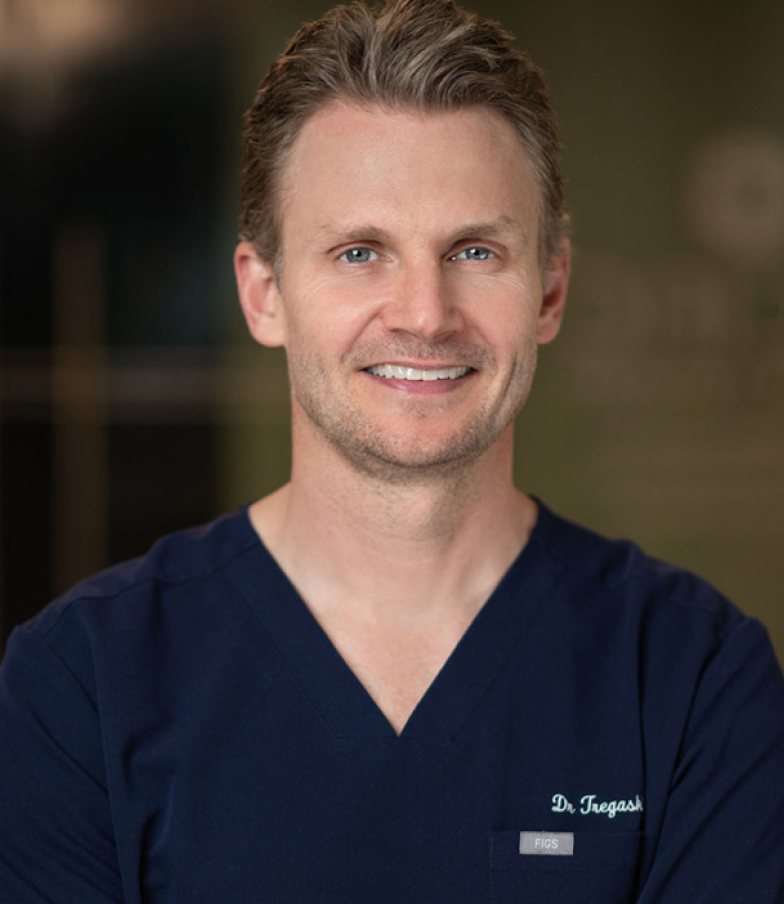
DR. ASHLEY TREGASKISS
COSMETIC, PLASTIC, AND RECONSTRUCTIVE SURGEON | BLOG
Dr. Ashley Tregaskiss is a board-certified plastic surgeon in Vancouver with over 20 years of experience and a practice increasingly dedicated to advanced facial and neck rejuvenation.
Following a decade at Vancouver General Hospital treating complex craniofacial trauma and head and neck conditions, he transitioned fully into private practice in 2024. This background provides a level of anatomical expertise and surgical precision that directly informs his aesthetic work.
Dr. Tregaskiss specializes in facelift and neck lift surgery, eyelid rejuvenation, facial fat transfer, and laser-based skin rejuvenation. He has particular expertise in combining facial surgery with laser treatments to enhance skin quality and achieve more refined, natural results. His approach is defined by careful planning, technical precision, and a commitment to outcomes that are balanced, elegant, and undetectable.