
 604-694-0015

Why Choose Facelift: Benefits and Results
April 30, 2026
Back To Blog
If you are researching facelift surgery in Vancouver, BC, you likely have questions about what the procedure involves, what kind of results are realistic, and whether it is the right choice for your concerns. The facelift procedure remains one of the most effective surgical options for addressing sagging skin, deep wrinkles, and other visible signs of aging in the mid-face and neck. This guide covers the key benefits of facelift surgery, the available techniques, what to expect during recovery, and how to evaluate your candidacy, giving you the information you need to make confident decisions about your facial rejuvenation goals. If you would like to discuss your options with a specialist, contact Pacific Plastic Surgery at (604) 694-0015.
Understanding How the Aging Process Affects Your Face and Neck
The visible signs of aging on the face and neck result from several overlapping processes that occur gradually over decades. Understanding these processes helps clarify why certain cosmetic procedures are better suited to specific concerns than others.
As the aging process progresses, the skin produces less collagen and elastin, the structural proteins responsible for firmness and skin elasticity. At the same time, the underlying muscle and connective tissue lose tone, and fat pads within the face shift or diminish. The cumulative result is sagging skin, deepened nasolabial folds, and a loss of definition along the jawline and neck.
Sun damage, gravity, genetics, and lifestyle factors all accelerate these changes. The neck is particularly susceptible, with many patients developing loose skin and banding that is difficult to address through non-surgical treatments alone. These changes affect not just appearance, but often self-confidence as well. Patients frequently describe feeling that their external appearance no longer reflects how they feel internally.
Facial plastic surgery addresses these changes at the structural level, working with the underlying tissues rather than simply the skin’s surface. This is a key distinction between surgical and non-surgical approaches, and it is what enables facelift surgery to deliver the significant improvements many patients seek.
What Facelift Surgery Addresses
A facelift procedure is specifically designed to address the mid-face, lower face, and neck, the regions most affected by descending facial tissues and accumulated excess skin. Understanding what a facelift targets helps set appropriate expectations.
Sagging Skin and Loss of Facial Contours
One of the primary goals of facelift surgery is to reduce sagging and restore more defined facial contours. The procedure involves repositioning the facial tissues that have descended with age, removing excess skin, and re-draping the remaining skin smoothly. The result is a more naturally refreshed appearance rather than an overtly operated look. When performed well, facelift surgery restores youthful contours while preserving the patient’s individual facial features.
Deep Wrinkles and Skin Laxity
While injectables and topical treatments can soften dynamic wrinkles, deep wrinkles caused by skin laxity and volume loss typically require a surgical approach. A facelift procedure addresses the deeper structural causes of these lines by repositioning the underlying tissues, rather than simply filling the surface. The result is smoother skin with improved facial definition that tends to look more natural than what surface-level treatments alone can achieve.
Neck Laxity and the “Turkey Neck” Appearance
Many patients who seek facial plastic surgery are primarily concerned with the neck. Loose skin, excess fat deposits, and prominent banding beneath the chin, sometimes called a turkey neck, can be significant sources of self-consciousness. Neck surgery performed as part of or alongside a facelift procedure addresses these concerns directly, tightening the underlying muscle and removing excess fat and extra skin for a more defined neck contour. Patients interested specifically in this area may benefit from learning more about what a neck lift involves.
Jowling and Jawline Definition
Jowling, the descent of facial tissues along the lower jaw, is one of the most visible signs of aging that patients seek to address. A facelift procedure lifts and repositions the tissues responsible for jowling, restoring a smoother jawline and improved facial symmetry. This improvement in facial structure is difficult to replicate through non-surgical means once jowling has progressed significantly.
Facelift Techniques and Choosing the Right Approach
Facelift techniques have evolved considerably over the decades, and today a qualified cosmetic surgeon can offer several approaches depending on the patient’s anatomy, desired degree of change, and recovery preferences.
The Traditional Facelift
The traditional facelift remains the most comprehensive surgical option for patients with significant sagging skin and advanced signs of aging. It involves incisions along the hairline and around the ears, through which the cosmetic surgeon repositions facial tissues, removes excess fat, addresses underlying muscle, and excises excess skin before carefully closing to minimize scarring. The traditional facelift provides the most extensive improvement in facial contours and typically offers longer-lasting results than less involved procedures.
The Deep Plane Facelift
The deep plane facelift is a more advanced surgical technique that releases and repositions deeper facial tissues, including the superficial musculoaponeurotic system (SMAS) and underlying tissues, rather than operating primarily at the skin level. This approach addresses the root causes of facial aging more thoroughly, producing natural-looking results with particularly well-restored facial contours. The deep-plane facelift is especially effective for patients with significant nasolabial folds and heavy midface descent. It requires a cosmetic surgeon with specialized experience and a thorough understanding of facial anatomy.
The Mini Facelift
The mini facelift is a less extensive surgical procedure designed for patients with earlier-stage concerns, typically younger patients who are beginning to notice jowling and mild sagging skin but do not yet require the scope of a full facelift. A mini facelift uses shorter incisions and focuses on the lower face and jawline. The recovery process is generally shorter than a full facelift, and the procedure can be an appropriate entry point for patients who want meaningful improvement without committing to a more extensive surgery. That said, a mini facelift is not a substitute for a traditional facelift when a more significant correction is needed. A cosmetic surgeon can help determine which approach suits your individual goals and facial structure during a thorough consultation.
Combining a Facelift with Complementary Procedures
Many patients achieve the most comprehensive facial rejuvenation by combining a facelift procedure with complementary surgical options. A brow lift can address sagging in the forehead and brow region, while eyelid surgery (blepharoplasty) targets excess skin and puffiness around the eyes. These procedures address facial areas that a facelift alone does not target directly. Combining them in a single surgical session can reduce overall recovery time compared to staging procedures separately. Your cosmetic surgeon will evaluate your facial features and discuss which combination, if any, is appropriate for your goals.
Facelift Surgery vs. Non-Surgical Treatments
One of the most common questions patients ask is whether cosmetic procedures like injectables or energy-based treatments can achieve results comparable to a facelift. The honest answer is that non-surgical treatments and a facelift procedure address different degrees of change and work through different mechanisms.
Dermal fillers can restore lost volume, soften certain lines, and provide a subtle lifting effect, making them an appropriate option for patients with early or mild signs of aging, or for those seeking maintenance between surgical procedures. However, dermal fillers do not address sagging skin or reposition facial tissues that have descended. Their effects are temporary and require ongoing maintenance.
A non-surgical facelift, a term often used to describe combination injectable and energy-based treatment plans, can produce visible improvements. Still, these results are generally more subtle and shorter-lived than those of a surgical procedure. For patients with significant sagging, deep wrinkles, excess skin, or pronounced jowling, non-surgical approaches are unlikely to provide the degree of improvement they seek.
Facelift surgery addresses visible signs of aging at the structural level by repositioning facial tissues and removing excess skin, rather than masking the surface. This is why facelift surgery consistently yields more significant improvements for patients with moderate-to-advanced concerns, and why the results typically last for many years. Understanding this distinction allows patients to evaluate minimally invasive and surgical options with appropriate context.
What to Expect During Facelift Recovery
Recovery is a natural consideration for anyone evaluating facelift surgery, and understanding the typical timeline helps patients plan appropriately. As with any surgical procedure, individual recovery varies based on the technique used, the patient’s overall health, and their body’s ability to heal.
Most patients experience swelling, bruising, and some tightness in the days following their procedure. These effects are temporary and typically subside over the first one to two weeks. Local anesthesia and sedation are commonly used to manage discomfort during the procedure, and your care team will provide detailed guidance on pain management during facelift recovery.
Most patients are comfortable returning to light daily activities within ten to fourteen days, though strenuous activity should be avoided for several weeks. Final results develop gradually as swelling resolves and the tissues settle. Many patients find that their results continue to refine over several months. A thorough pre-operative discussion with your plastic surgeon will outline the recovery process for your specific procedure and health profile.
Sun protection is essential during and after recovery, as sun damage can affect skin quality and the longevity of your results. Your care team will provide specific post-operative guidelines tailored to your procedure and medical history.
Results, Outcomes, and Realistic Expectations
Facelift surgery can produce significant, natural-looking results, but realistic expectations are an important part of any patient’s facelift journey. The goal of facial plastic surgery is not to create an entirely different appearance, but to restore a more youthful appearance that remains consistent with who you are.
Patients who are most satisfied with their outcomes are those who understand that a facelift addresses the structural causes of aging rather than stopping the aging process altogether. The signs of aging will continue to progress after surgery, but many patients find they maintain a refreshed, rested appearance for years after their procedure.
A well-performed facelift procedure should preserve natural contours, improve facial definition, and produce smoother skin without appearing overdone. Natural-looking results depend heavily on the skill and experience of the cosmetic surgeon performing facelifts; facelift techniques vary in complexity, and the quality of outcomes reflects the depth of the surgeon’s understanding of facial anatomy, facial tissues, and the aging process.
The emotional well-being benefits that many patients report following facial plastic surgery are significant. Feeling that your appearance more closely reflects your energy can have a meaningful positive effect on confidence and overall quality of life.
Why Choose Pacific Plastic Surgery in Vancouver
When considering facelift surgery, the credentials and experience of your plastic surgeon matter enormously. At Pacific Plastic Surgery in Vancouver, BC, Dr. Ashley Tregaskiss brings a depth of surgical training and academic involvement that is directly relevant to the complexity of facial plastic surgery. Do you have questions about whether facelift surgery is right for your situation? Dr. Ashley Tregaskiss can provide personalized guidance based on your individual anatomy and goals. Call (604) 694-0015 or complete the online contact form to get started.
Frequently Asked Questions About Facelift Surgery
What is the difference between a facelift and a neck lift?
A facelift procedure primarily addresses the mid-face, lower face, and jowls. At the same time, a neck lift focuses on the neck, addressing loose skin, excess fat, and underlying muscle banding beneath the chin and along the neck. These two procedures are frequently performed together because the concerns they address are closely related. Your plastic surgeon will evaluate both areas during your consultation and recommend whether one or both procedures are appropriate for your goals.
Can a facelift address concerns around my eyes and forehead?
A facelift procedure does not directly address the eye area or forehead. Patients who have concerns in those regions may benefit from combining their facelift with eyelid surgery (blepharoplasty) to address excess skin around the eyes, or with a brow lift to address brow descent and heaviness. Addressing the full face rather than individual isolated areas often produces more balanced, harmonious results. Your cosmetic surgeon can help you determine which combination of procedures best aligns with your overall goals.
Will there be visible scarring after a facelift?
All surgical procedures involve incisions and some degree of healing. A skilled cosmetic surgeon works carefully to minimize scarring by placing incisions within the natural hairline and around the contours of the ear, where they are least visible. Most patients find that their scars fade significantly over several months and become difficult to detect with normal styling. Following your surgeon’s post-operative care instructions, including sun protection and avoiding activities that could stress the incision sites, supports optimal healing and helps minimize scarring over time.
Is it possible to combine a facelift with non-surgical treatments?
Many patients incorporate dermal fillers, skin care treatments, or other cosmetic procedures into their ongoing maintenance plan following facelift surgery. Non-surgical treatments can help maintain skin quality and address areas outside the scope of the surgical procedure.
Taking the Next Step Toward Facial Rejuvenation
Whether you are exploring a traditional facelift, a deep plane facelift, or a mini facelift, the most important next step is a personalized consultation with a qualified plastic surgeon who can evaluate your facial anatomy, discuss your goals, and recommend an approach suited to your individual needs. At Pacific Plastic Surgery in Vancouver, BC, Dr. Ashley Tregaskiss brings internationally recognized training, dual Royal College fellowship credentials, and a genuine commitment to natural-looking results to every patient consultation. To begin your facelift journey, contact Pacific Plastic Surgery at (604) 694-0015 or visit the contact page to schedule your consultation.

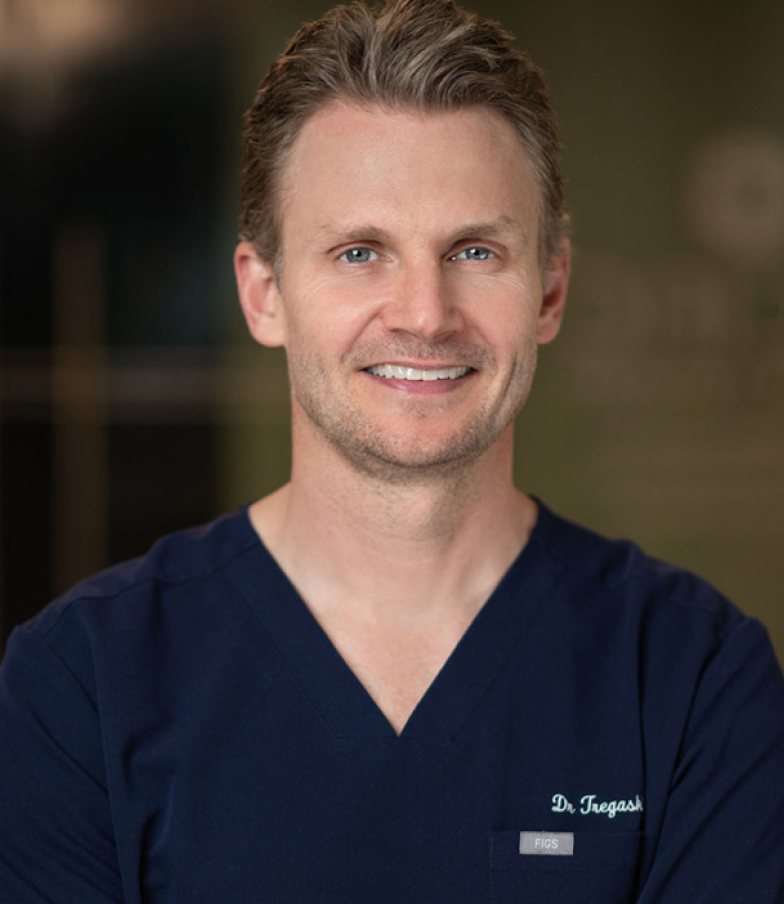
DR. ASHLEY TREGASKISS
COSMETIC, PLASTIC, AND RECONSTRUCTIVE SURGEON | BLOG
Dr. Ashley Tregaskiss is a board-certified plastic surgeon in Vancouver with over 20 years of experience and a practice increasingly dedicated to advanced facial and neck rejuvenation.
Following a decade at Vancouver General Hospital treating complex craniofacial trauma and head and neck conditions, he transitioned fully into private practice in 2024. This background provides a level of anatomical expertise and surgical precision that directly informs his aesthetic work.
Dr. Tregaskiss specializes in facelift and neck lift surgery, eyelid rejuvenation, facial fat transfer, and laser-based skin rejuvenation. He has particular expertise in combining facial surgery with laser treatments to enhance skin quality and achieve more refined, natural results. His approach is defined by careful planning, technical precision, and a commitment to outcomes that are balanced, elegant, and undetectable.